Neighborhood guide
Namba & Shinsaibashi Bodywork: Mixing Shopping with Self-Care
Published April 30, 2026 · By Osaka Wellness Guide editorial team
If you are spending time in central Osaka — eating in Dotonbori, shopping at Shinsaibashi-suji, browsing Don Quijote at midnight — Namba and Shinsaibashi is the district you are in. It is also one of the more difficult districts in Osaka to choose bodywork in, because the volume of options is huge and the quality is uneven.
This is an orientation, not a directory.
What Namba and Shinsaibashi are
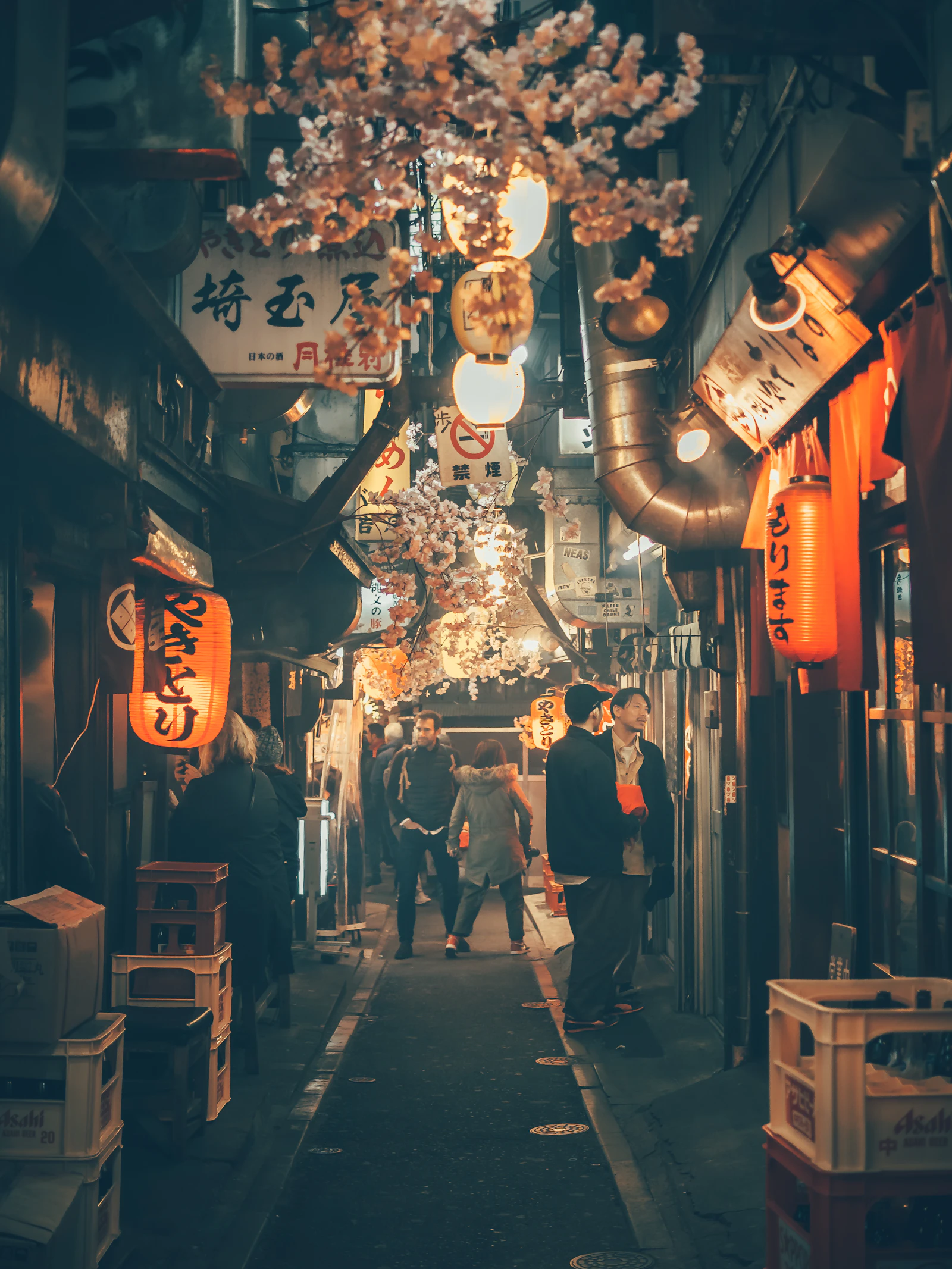
The Namba (難波) and Shinsaibashi (心斎橋) districts are the heart of “Minami” (south Osaka), forming a continuous tourist-and-shopping zone roughly 2km north-to-south. Major landmarks:
- Dotonbori — the canal-side restaurant zone with the Glico sign
- Shinsaibashi-suji — the long covered shopping arcade running north from Dotonbori
- Namba Station / Nankai Namba — major transit hub, also the airport limited express terminus from Kansai International
- America-mura (“Ame-mura”) — youth-culture and vintage shopping zone west of Shinsaibashi-suji
- Hozenji Yokocho — atmospheric old alley with traditional restaurants
- Kuromon Market — famous food market
The whole zone is densely packed with bodywork options of every kind — from drop-in foot reflexology in shopping malls, to mid-tier shiatsu studios on upper floors, to luxury spa hotels.
The bodywork landscape, mapped
Sub-zone A: Dotonbori frontage
Right on the canal and the surrounding tourist alleys. Avoid for serious bodywork. Studios here pay maximum tourist-zone rent and pricing reflects this. The quality can be perfectly fine, but you are paying 30–50% above what equivalent work costs a few blocks inland.
Sub-zone B: Shinsaibashi-suji arcade and adjacent streets
Mixed quality. The covered arcade itself has many quick-service options (foot reflexology in particular). The streets running parallel a block to the east (toward Tanimachi) have better-value upper-floor studios. Worth investigating but requires research.
Sub-zone C: Higashi-Shinsaibashi / Minami-Senba
Good value. The blocks east of Shinsaibashi-suji, between Mido-suji and Sakai-suji avenues, have a mix of office-worker bodywork studios with much better per-yen value than their tourist-facing neighbors. Less English support; more authentic technique.
Sub-zone D: America-mura / Triangle Park
Eclectic and youth-oriented. Some interesting studios catering specifically to younger Japanese clientele and to English-speaking travelers. Style ranges from classical bodywork to more boutique fusion offerings.
Sub-zone E: Namba Parks / Namba City
Reliable, mid-priced. The mall complexes attached to Namba Station have several reputable studios and chains. Less authentic in atmosphere; more reliable in quality.
Sub-zone F: Nipponbashi (immediately east)
Underrated. Nipponbashi is slightly outside the main Namba-Shinsaibashi tourist zone, with a calmer atmosphere and several long-running studios serving a mix of office workers and locals. A 7-minute walk from Namba Station yields meaningfully better choices.
Practical notes for travelers
Namba is convenient if you are flying in from Kansai International Airport
The Nankai limited express from Kansai International terminates at Namba Station in about 38 minutes. You can be checked into a Namba hotel within 75 minutes of landing — and a same-evening bodywork session is realistic.
The district is busiest in the evenings
Studios start booking up by 17:00–18:00 for evening slots, particularly weekends. If you want late-evening bodywork, book ahead.
Pricing tends to skew higher than neighboring districts
A 60-minute seitai session in Namba runs about 15–25% higher than the same quality in Tennoji. This is not always a quality premium — it is rent passed through.
English support is moderate
Better than Tennoji or Nipponbashi but worse than Umeda’s premium tier. Most mid-tier studios use translation apps competently.
Specific traveler scenarios
”I’m staying near Dotonbori for two nights and want one bodywork session”
Walk 5–8 minutes east from Dotonbori into Higashi-Shinsaibashi or south into Nipponbashi. You will find studios in office buildings on upper floors that charge ¥7,000–¥10,000 for a 60-minute session of comparable or better quality to anything you would pay ¥12,000+ for on the canal.
”I have a quick gap between shopping and dinner”
Drop-in foot reflexology in the Shinsaibashi-suji arcade or Namba mall basements is reasonable. ¥3,500 for 30 minutes is fair. Chairs and beds are obvious from the street.
”I want a longer spa experience after a heavy day”
Look at hotel spas (Swissôtel Nankai Osaka has a notable one; Marriott Miyako has another). Premium-priced (¥18,000+) but consistently delivered.
”I want something cool and slightly off the beaten track”
Triangle Park / America-mura has a handful of small studios with younger practitioners and English-friendly attitudes. The work is sometimes more eclectic in technique. Worth a careful look.
What to avoid
- Touts on the street. Studios that need to recruit walk-ins from the sidewalk are usually not the studios you want.
- Aggregator-only listings. If a studio only appears on a few specific tourist booking platforms and not on Google Maps with reviews, that is a yellow flag.
- The cheapest 60-min foot reflexology in the busiest mall corner. Some of these are run by chains with thin training and rapid throughput; the experience is often mediocre.
Quality signals to look for in this district specifically
In a district with high tourist traffic, the signals that matter most:
- Substantial Japanese-language reviews with detail (not just “great”!)
- Practitioner credentials explicitly listed (柔道整復師 etc.)
- Yen-denominated pricing plainly visible
- Studio not at street level in tourist alleys
- Reasonable booking process (not a one-click “buy now”)
If a studio passes these, it is worth booking. If it fails most, it is probably a tourist-priced operation regardless of how nicely the photos look.
The bottom line
Namba and Shinsaibashi have plenty of good bodywork — but it requires effort to find amid the tourist noise. If you are basing yourself here, plan to spend 15 minutes of research time before booking, and lean toward studios a few blocks inland from the most-touristed zones. Done well, you can have an excellent session within walking distance of dinner. Done carelessly, you will overpay for an average experience.
Frequently asked questions
Is the Dotonbori area good for bodywork?
Generally not the best value. Dotonbori-adjacent studios pay tourist-zone rents and tend to skew toward higher prices and shorter sessions. Walk 5-10 minutes inland (north of Dotonbori, into the streets behind Shinsaibashi-suji) for better quality and value.
Are the bodywork shops in Don Quijote / shopping malls real?
Many are legitimate quick-service studios — drop-in foot reflexology and chair shiatsu in particular are reasonable in mall settings. The work is brief and not deep, but for what it is, it is fair.
What about the Triangle Park area?
Triangle Park (in America-mura, southwest of Shinsaibashi-suji) has an interesting concentration of small studios, including some specifically appealing to younger and English-speaking travelers. Quality varies; reading recent reviews matters.
Related in Neighborhood guide
- Kitashinchi Bodywork Guide: Premium Wellness in Osaka's Upscale Entertainment District — A practical guide to massage, shiatsu, and bodywork in Kitashinchi — Osaka's most storied
- Yodoyabashi Bodywork Guide: Where Osaka's Financial District Unwinds — From shiatsu studios near Nakanoshima to reflexology chains on Midosuji, discover the best
- Bentencho Bodywork Guide: Wellness After Osaka Bay's Aquarium District — Find massage and bodywork studios near Bentencho Station — the underrated wellness stop fo
Sources cited
Featured studios for this guide
Where to actually go
Editorial picks from our small list of verified foreign-friendly bodywork studios in Osaka.