Bodywork modalities
What is Anma (按摩)? Japan's Original Massage Practice — A Traveler's Guide
Published April 30, 2026 · By Osaka Wellness Guide editorial team
If shiatsu is the famous export of Japanese bodywork, anma (按摩, lit. “press and rub”) is its older, less-celebrated parent. Practiced in some form in Japan for over a thousand years, anma is the foundation on which shiatsu, modern Japanese massage, and a great deal of contemporary clinical bodywork were built.
For travelers who want to experience something genuinely Japanese rather than a generic Western-style “Asian massage”, a real anma session is worth seeking out.
What is anma, in one paragraph?
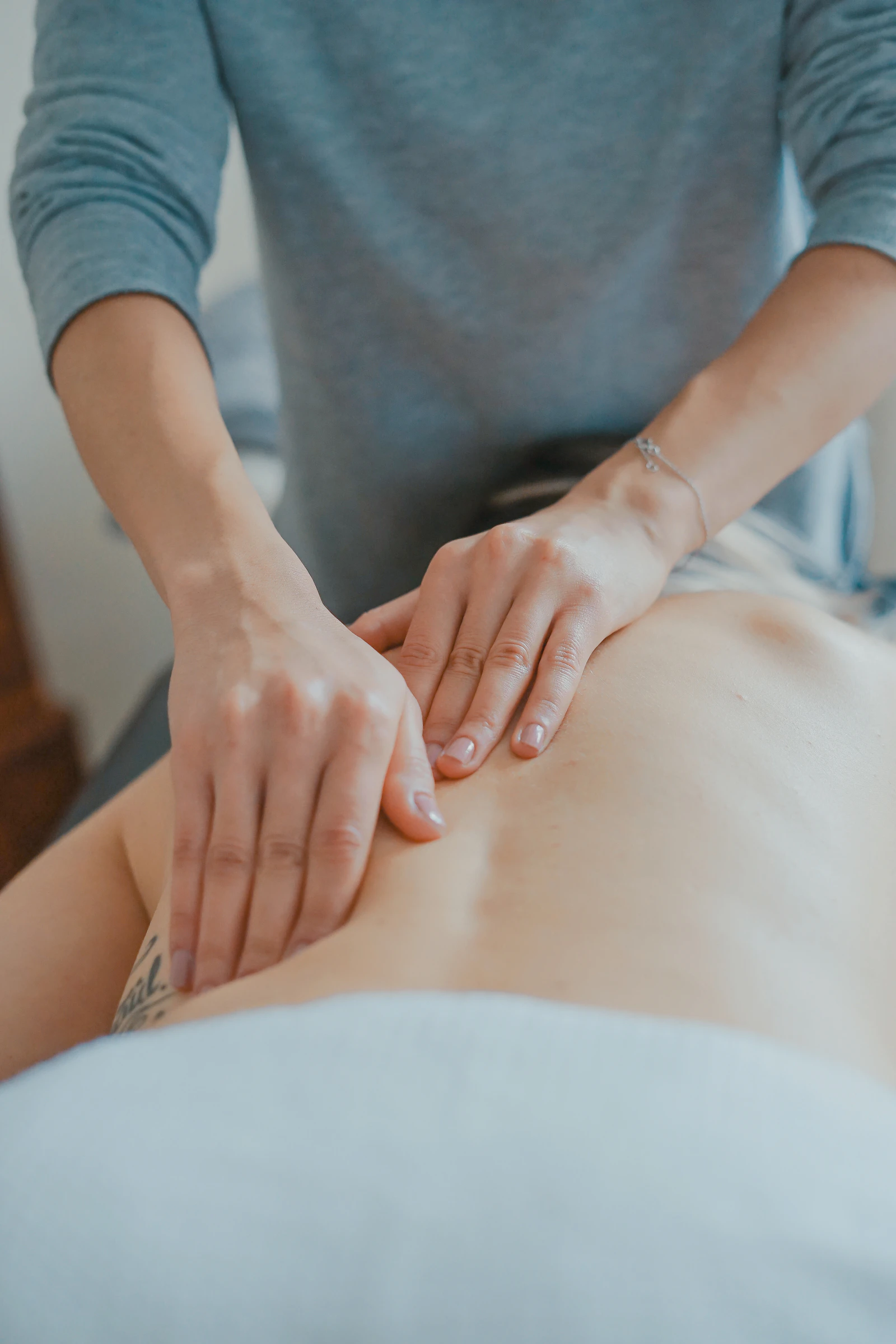
Anma is a traditional Japanese form of manual therapy that uses kneading, pressing, tapping, and stretching motions — performed through clothing, without oils — to relax muscles, mobilize joints, and improve circulation. It traces its lineage to ancient Chinese tuina via the introduction of Buddhist medicine in the 6th century, but evolved into a distinctly Japanese practice over the following centuries, particularly during the Edo period (1603–1868).
How is anma different from shiatsu, Thai massage, and Swedish massage?
These four practices share lineage at varying distances. Knowing what makes each distinct helps you book the experience you actually want.
| Practice | Pressure style | Clothing | Oils | Origin |
|---|---|---|---|---|
| Anma | Broad kneading, stroking, tapping | Yes (thin garment) | No | Japan, classical |
| Shiatsu | Concentrated point pressure | Yes (thin garment) | No | Japan, codified ~1940s |
| Thai massage | Stretching + compression | Yes (loose clothing) | No | Thailand, ancient |
| Swedish massage | Long gliding strokes | No (towel-draped) | Yes | Sweden/France, 19th c. |
The closest comparison is anma vs. shiatsu. Shiatsu uses sustained, concentrated pressure on specific points along energy meridians; anma is broader and more rhythmic. Many Japanese practitioners are trained in both and will blend the two during a single session, particularly in studios that have not specialized strictly in one.
A brief history (and why it matters today)
Anma reached Japan from China around the 6th century, embedded within Buddhist medicine. By the Edo period it had become a profession, with formal schools, and was famously practiced by blind people — a tradition the Japanese government deliberately reinforced as a profession for the visually impaired in the 17th century onward. To this day, a meaningful share of Japan’s licensed anma-shiatsu-massage practitioners are blind or low-vision; the licensure system continues to support training pathways for visually impaired students.1
This historical context matters for travelers in two practical ways:
- Studios run by blind practitioners are often exceptionally good — touch sensitivity tends to be more refined. They are not always conspicuous from the street.
- Authentic anma is a craft, not a luxury experience. Expect a clean, modest treatment room, not a candlelit spa. The practitioner’s hands are the technology.
What to expect at your first anma session in Osaka
A typical first visit:
- Brief intake — about five minutes. The practitioner asks where you feel stiffness, what you do for work, and any medical concerns.
- You change into a thin treatment garment provided by the studio. No undressing past underwear; many studios have you stay fully clothed in soft loungewear.
- The session — usually 30 to 60 minutes on a low padded mat or table. Expect kneading along the shoulders, neck, and back; rhythmic patting; gentle stretching of the arms and legs; pressure points worked at the base of the skull. The pace is meditative, not frantic.
- Closing — a short conversation about what the practitioner found and what habits might help.
Practical notes for international travelers
- Language: Many traditional anma studios in Osaka are owner-operated and may have limited English. A short written list of your concerns (in English is fine — translation apps are universal) lets the practitioner work efficiently.
- Cost: A 60-minute session in Osaka typically runs ¥6,000 to ¥10,000 — generally less expensive than tourist-facing relaxation spas.
- What to wear: Loose, soft clothing you can be comfortable in for an hour. Most studios provide a treatment garment if your clothes are restrictive.
- Tipping: Not customary.
- Booking lead time: Walk-ins sometimes work but many studios prefer a same-day phone call or LINE message ahead.
When anma might be a great fit for your Osaka visit
- After a long flight (no oils, you can put your clothes back on and head straight out)
- Between sightseeing days, when shoulder tension from camera-holding starts piling up
- If you specifically want to experience something traditionally Japanese rather than a generic relaxation massage
- If you have time-of-day constraints (no shower needed, sessions run quickly)
When you might choose something else instead
- If you want a deeply meditative spa atmosphere → seek out an aromatherapy or wellness spa with longer slots
- If you have specific posture concerns → consider seitai or biyō-seitai instead
- If you have an acute injury → see a doctor first; anma is wellness care, not medical treatment
Footnotes
-
This is a meaningful piece of Japanese medical-cultural history that does not always make it into English travel guides. The Edo-period government’s policy toward training blind practitioners is one of several factors that shaped why traditional Japanese bodywork developed so much without reliance on visual cues. ↩
Frequently asked questions
Is anma the same as shiatsu?
No, but they are related. Shiatsu was codified in the early twentieth century and grew out of anma traditions. Anma uses broader, longer kneading and stroking techniques; shiatsu uses concentrated pressure on specific points. Many Japanese practitioners are licensed in both, plus Western-style massage, under a single national credential.
Is anma legally regulated in Japan?
Yes. The 'Anma-Massage-Shiatsu Practitioner' (あん摩マッサージ指圧師) license is a national credential under the Ministry of Health, Labour and Welfare, requiring three years of accredited training and a national exam. Look for studios where the practitioner displays this license — abbreviated 'AMS師' or written out in full.
Do I need to undress for an anma session?
Traditionally, no. Anma is performed through a thin garment or kimono-style robe, often without oils. This is one of the practical reasons it is well suited to time-pressed travelers — no shower required afterward.
How long does an anma session usually last?
Sessions typically run 30 to 90 minutes. A 45-minute appointment is common as a first visit. For travelers with limited time, even 30 minutes focused on shoulders and neck can produce noticeable change.
Related in Bodywork modalities
- Sotai vs Seitai: Two Near-Homonyms in Japanese Bodywork That Travelers Constantly Confuse — Sotai and seitai sound almost identical but are two distinct Japanese bodywork traditions.
- Abhyanga in Osaka: Your Complete Guide to Ayurvedic Oil Massage — Discover abhyanga — India's ancient full-body warm-oil massage — now available at select O
- Herbal Ball Massage in Osaka: What to Expect from Japan's Favourite Compress Treatment — Everything international tourists need to know about herbal ball massage in Osaka — the te
Sources cited
Featured studios for this guide
Where to actually go
Editorial picks from our small list of verified foreign-friendly bodywork studios in Osaka.